 Quick Answer
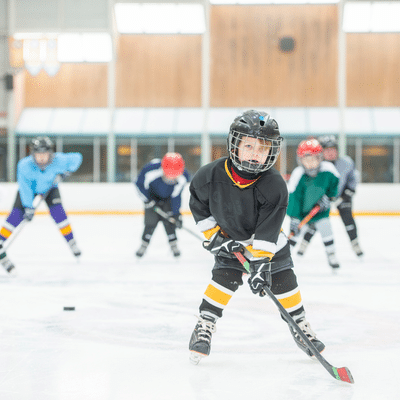
Minnesota Hockey updated its mouthguard requirements for the 2026–2027 season. Under the amended rule, Squirt/10U and older players, including goalkeepers, must wear a colored, non-clear appliance securely attached to their helmet or facemask. The appliance must cover the remaining teeth of one jaw, usually the upper teeth. Parents should check their child’s equipment before the next practice or game, especially if their child wears braces.
Understanding the latest hockey mouthguard rules help parents make informed decisions about their child’s protective equipment before the season begins.
Key Takeaways
- New requirement: Minnesota Hockey now requires tethered appliances for Squirt/10U and older players.
- Color matters: Clear appliances don’t meet the stated requirement.
- Proper attachment: The appliance must be securely attached to the helmet or facemask.
- Dental protection: A properly fitted appliance helps reduce the risk and severity of sports-related injuries.
- Players with braces: Young athletes undergoing orthodontic treatment need appliances that accommodate their brackets, wires and changing tooth positions.
- Local guidance: Horton Orthodontics in Woodbury, MN, helps families explore suitable options.
What Are the New Hockey Mouthguard Rules in Minnesota?
If your child plays youth hockey in Minnesota, there’s an important equipment update to know about before they hit the ice.
For the 2026–2027 season, Minnesota Hockey amended Rule K to require mouthguards to be securely attached to a player’s helmet or facemask. The updated requirement applies to Squirt/10U and older players, including goalkeepers.
According to the rule update shared by the South Saint Paul Youth Hockey Association, the required appliance must:
- Be colored rather than clear.
- Be worn inside the mouth.
- Cover all remaining teeth of one jaw, typically the upper teeth.
- Be securely attached to the player’s helmet or facemask.
- Be worn by players in the affected age divisions, including goalkeepers.
The updated policy took effect in August 2026 and applies to the 2026–2027 season.
These updated hockey mouthguard rules are especially important for families purchasing new equipment or replacing an older appliance.
Why Did Minnesota Hockey Change Its Requirements?
The updated rule addresses two practical safety concerns: ensuring players wear their appliances and preventing loose equipment from becoming a hazard during play.
Hockey is a fast-moving sport that involves physical contact, sticks, pucks and the possibility of falls. Even with a helmet and full facemask, players can experience impacts that affect their teeth and mouth.
The American Dental Association (ADA) recommends properly fitted mouthguards for contact and collision sports, including ice hockey. Research shows that these appliances help reduce the risk and severity of injuries involving the teeth and surrounding oral tissues.
The revised hockey mouthguard rules emphasize consistent use and proper attachment to help improve player safety.
For parents, the takeaway is simple: An appliance needs to meet the league’s requirements, fit properly and be worn consistently.
Does the New Rule Apply to Every Youth Hockey Player?
The updated Minnesota Hockey rule specifically identifies Squirt/10U and older players, including goalkeepers.
However, younger age groups may have additional requirements established by their local hockey association or district. Some Minnesota organizations already required tethered appliances before the statewide update.
Because hockey mouthguard rules vary by age division and organization, parents should confirm which requirements apply to their child’s team.
The official Minnesota Hockey Handbook is another useful resource for checking the latest rules.
Why Are They Important for Hockey Players?
These appliances help protect teeth and surrounding soft tissues by providing a protective barrier during impacts.
Even with appropriate protective equipment, hockey players may experience unexpected contact from another player, a stick, the ice or other equipment.
Without adequate mouth protection, an impact can cause:
- Chipped, cracked or broken teeth.
- Loose or knocked-out permanent teeth.
- Cuts to the lips, cheeks or tongue.
- Damage to existing restorations.
- Injuries involving brackets or wires.
The ADA identifies mouthguard use as an important way to reduce sports-related oral injuries. However, appliances cannot prevent every injury, and evidence about their ability to prevent concussions remains mixed.
For children and teens, protecting permanent teeth is especially important. An injured tooth may require emergency treatment, restoration or long-term dental monitoring.
Can a Hockey Appliance Protect Braces?
Yes. A properly selected orthodontic appliance helps protect both the teeth and soft tissues around braces during hockey.
Brackets and wires introduce additional considerations during contact sports. An impact may damage appliances or push brackets against the lips and cheeks, potentially causing cuts and irritation.
An appliance designed to accommodate braces provides space for appliances while helping cushion the mouth.
However, not every appliance is suitable for someone undergoing treatment.
As teeth move during treatment, an appliance that previously fit comfortably may become too tight or stop fitting correctly.
If your child plays hockey while wearing braces, ask Dr. Horton which design is appropriate and how frequently the fit should be checked.
What Type of Hockey Appliance Is Best for Your Child?
The best appliance is one that fits properly, provides suitable protection, accommodates any appliances and meets the player’s league requirements.
There are three common categories of athletic appliances.
| Mouthguard Type | How It Works | Important Considerations |
| Stock | Comes ready-made in standard sizes | Inexpensive but often less secure and comfortable |
| Boil-and-bite | Softens in hot water and is shaped around the teeth | May provide a better fit than stock options, but fit varies |
| Custom-made | Fabricated using an impression or model | Can offer a more individualized fit but generally costs more |
The ADA recognizes these three categories and notes that custom-made appliances can provide excellent fit and adaptability. Properly fitted boil-and-bite appliances may offer effective protection.
When comparing different options, parents should consider comfort, fit and whether the appliance complies with Minnesota’s hockey mouthguard rules.
Are Custom Appliances Better Than Store-Bought Appliances?
Custom appliances offer advantages in comfort, retention and fit because they are made for an individual’s teeth.
However, a custom-made appliance isn’t automatically the best choice for every athlete.
A child’s age, stage of dental development, treatment and sport-specific requirements all affect which option makes sense.
For example, a young athlete whose teeth are still changing may need a different solution than an adult with a stable bite.
Parents should also confirm that any custom appliance can be fitted with an acceptable tether before purchasing it for Minnesota youth hockey.
What About Appliances for Players With Braces?
Athletes with braces need appliances that provide adequate space around their brackets and wires.
A tightly molded appliance may become uncomfortable as teeth shift during treatment. Some standard boil-and-bite products may also be unsuitable for certain appliances.
Appliances specifically designed for braces provide room for the appliances and may be easier to accommodate throughout treatment.
Parents of children with braces should look for orthodontic-friendly options that provide adequate protection while meeting the updated hockey mouthguard rules.
Dr. Horton helps determine whether a braces-compatible, tethered appliance is appropriate for your child.
How Can Parents Tell Whether a Hockey Appliance Fits Properly?
An appliance should fit securely and comfortably enough that the player can wear it throughout practice and games.
Before the season starts, have your child try on their appliance while wearing their other hockey equipment.
Look for these signs of a suitable fit:
- It stays positioned over the teeth without constant adjustment.
- It doesn’t cause significant pressure or pain.
- It doesn’t have sharp or rough edges.
- It allows the player to breathe comfortably.
- It provides appropriate coverage of the teeth.
- Its attachment does not interfere with proper helmet or facemask use.
An appliance that repeatedly falls out, causes discomfort or interferes with normal breathing needs attention.
For players with braces, also check for pressure against brackets or wires.
If you’re unsure about the fit, consult a professional before your child returns to play.
A Note From Dr. Heather Horton
Dr. Heather Horton is a board certified orthodontist and former collegiate athlete who competed in cross country and track and field at the University of Minnesota.
Her background in athletics and orthodontics brings relevant experience to conversations about protecting smiles during sports.
At our practice, individualized care is an important part of helping patients and families make informed decisions about treatment and oral health.
For young athletes, that includes considering how protective equipment fits with their development and orthodontic needs.
How Often Should Hockey Players Replace Their Appliance?
Appliances should be replaced when they become damaged, no longer fit properly or cannot be cleaned adequately.
For children and teenagers, growing jaws and changing teeth affects fit over time. Athletes undergoing treatment may notice changes more frequently as their teeth move.
Parents should inspect appliances regularly for:
- Tears, cracks or holes.
- Loose or damaged attachment straps.
- Changes in shape.
- Rough edges.
- Poor retention or discomfort.
- Visible wear that might reduce protection.
An appliance should also be checked after a significant impact.
If your child has recently had adjustments, new brackets or other treatment, ask whether their appliance still fits appropriately.
What Should Parents Do Before the Next Hockey Practice?
Preparing for the new requirements doesn’t have to be complicated. A few simple steps can help make sure your child is ready for the season.
- Review your team’s rules. Confirm the current requirements for your child’s age group and hockey association.
- Inspect the existing appliance. Check its color, fit, coverage and attachment.
- Consider orthodontic needs. If your child wears braces, make sure the appliance accommodates their appliances.
- Ask about suitable options. Consult Dr. Horton if you need help selecting or fitting an appliance.
- Check equipment regularly. Make inspections part of your family’s hockey routine.
Reviewing the current hockey mouthguard rules before the season starts helps families avoid purchasing equipment that doesn’t meet their league’s requirements.
It’s also helpful to remind young athletes why appliances matter. Rather than treating them as another piece of required equipment, explain that wearing one helps protect their teeth during the sport they love.
Hockey Mouthguards in Woodbury, MN: How Horton Orthodontics Helps
For families in Woodbury and surrounding communities, finding the right appliance is an important part of preparing for hockey season.
Dr. Heather Horton and her team provide individualized care for children, teens and adults.
If your child needs an appliance for hockey, particularly while wearing braces, our team helps you understand the factors that matter when choosing protective equipment.
Visit our mouthguards page to learn more about our services.
Before purchasing an appliance for the 2026–2027 hockey season, confirm that the available design meets your child’s applicable Minnesota Hockey requirements.
Protect Your Smile This Hockey Season
Whether your child is getting ready for their first youth hockey season or has been playing for years, the right protective equipment matters.
If you have questions about hockey appliances or protecting your child’s smile during sports, we’re here to help.
Contact us or call or text (651) 738-9060 to ask about available options and appropriate next steps.
Meet Dr. Heather Horton
Dr. Heather Horton is a board certified orthodontist and the owner of Horton Orthodontics, an independent practice in Woodbury, Minnesota.
She earned her undergraduate degree and Doctor of Dental Surgery (DDS) from the University of Minnesota, where she competed on the university’s cross-country and track and field teams. She later completed her orthodontic residency at Case Western Reserve University.
Dr. Horton is committed to continuing education and maintaining her board certification. Her professional involvement includes leadership with the Minnesota Association of Orthodontists and the St. Paul District Dental Society.
As a local practice owner, Dr. Horton focuses on providing personalized orthodontic care in a friendly, welcoming environment. She and her team serve children, teens and adults throughout Woodbury and surrounding communities.
Learn more about Dr. Heather Horton.
Frequently Asked Questions About Hockey Mouthguard Rules
1. What are the new Minnesota hockey mouthguard rules for 2026?
Minnesota Hockey requires Squirt/10U and older players, including goalkeepers, to wear a colored, non-clear appliance securely attached to their helmet or facemask during the 2026–2027 season.
The appliance must cover the remaining teeth of one jaw, typically the upper teeth. This requirement is part of Minnesota Hockey’s amended Rule K.
Parents should verify that their child’s appliance meets the current requirements before practices and games. Because individual districts and associations may have additional equipment policies, i’is also helpful to check with your child’s coach or local hockey organization.
2. Can hockey players wear an appliance with braces?
Yes, hockey players can wear appliances with braces, and appropriate mouth protection is particularly important during treatment.
A braces-compatible appliance helps cushion the teeth and surrounding soft tissues while accommodating brackets and wires.
However, standard appliances may not fit properly over appliances. Some products become too tight as teeth move throughout treatment.
Parents should ask Dr. Horton about an appliance designed for braces and confirm that the selected option meets Minnesota Hockey’s current tethering and color requirements.
3. Do hockey appliances have to be attached to helmets in Minnesota?
Yes. Under the updated 2026–2027 Minnesota Hockey rule, mouthguards for Squirt/10U and older players must be securely attached to the helmet or facemask.
This means that an untethered appliance may not satisfy the requirement, even if it fits well and provides appropriate protection.
Before purchasing a new appliance, check whether it includes a compatible attachment or whether the manufacturer offers an approved tethering option.
Don’t assume that every custom-made appliance automatically meets the new rule. If you’re uncertain about a specific product, confirm its acceptability with your child’s hockey association.
4. Are clear appliances allowed in Minnesota youth hockey?
No. The updated Minnesota Hockey requirement specifies a colored, non-clear appliance for the affected age groups.
Parents shopping for a new appliance should check the product’s color before purchasing it.
The appliance must also provide appropriate coverage and be securely attached to the player’s helmet or facemask.
A colored appliance without a tether may still fail to meet the requirement. Similarly, a properly attached clear appliance doesn’t satisfy the stated color requirement.
For the most current guidance, consult the Minnesota Hockey Handbook or your child’s local association.
5. Is a custom appliance better for a child who plays hockey?
A custom-made appliance offers a more individualized fit, but the best choice depends on the child’s development, needs and hockey equipment requirements.
Custom appliances are fabricated to match the shape of a person’s teeth. They may offer improved comfort and retention compared with standard ready-made products.
However, children’s teeth and jaws continue developing, and treatment can change the fit of an appliance.
A properly fitted braces-compatible or boil-and-bite option may be appropriate for some athletes. Dr. Horton helps families understand the available options and determine when a replacement or adjustment might be necessary.
6. Can I get a hockey mouthguard from Horton Orthodontics in Woodbury, MN?
We have a dedicated service page and is a local resource for families seeking guidance about sports mouth protection.
Parents can contact the office to ask about available designs, options for players with braces and whether the products offered meet Minnesota Hockey’s updated equipment requirements.
Dr. Heather Horton and her team provide individualized care for children, teens and adults in Woodbury and surrounding communities.
If your child is preparing for hockey season, contact our office before purchasing a new appliance to confirm availability and suitability.
The Bottom Line
Minnesota’s updated hockey mouthguard rules make proper fit, color and helmet attachment important considerations for youth hockey families. At Horton Orthodontics in Woodbury, MN, choosing a mouthguard that meets the requirements and accommodates your child’s teeth or braces helps protect their smile throughout the season. Request your complimentary consultation today!
Medical Disclaimer: The information provided in this article is intended for educational purposes only and should not replace personalized medical or dental advice. Diagnosis and treatment recommendations should come from an appropriately qualified healthcare professional. Hockey equipment requirements should be verified with the applicable governing organization.